

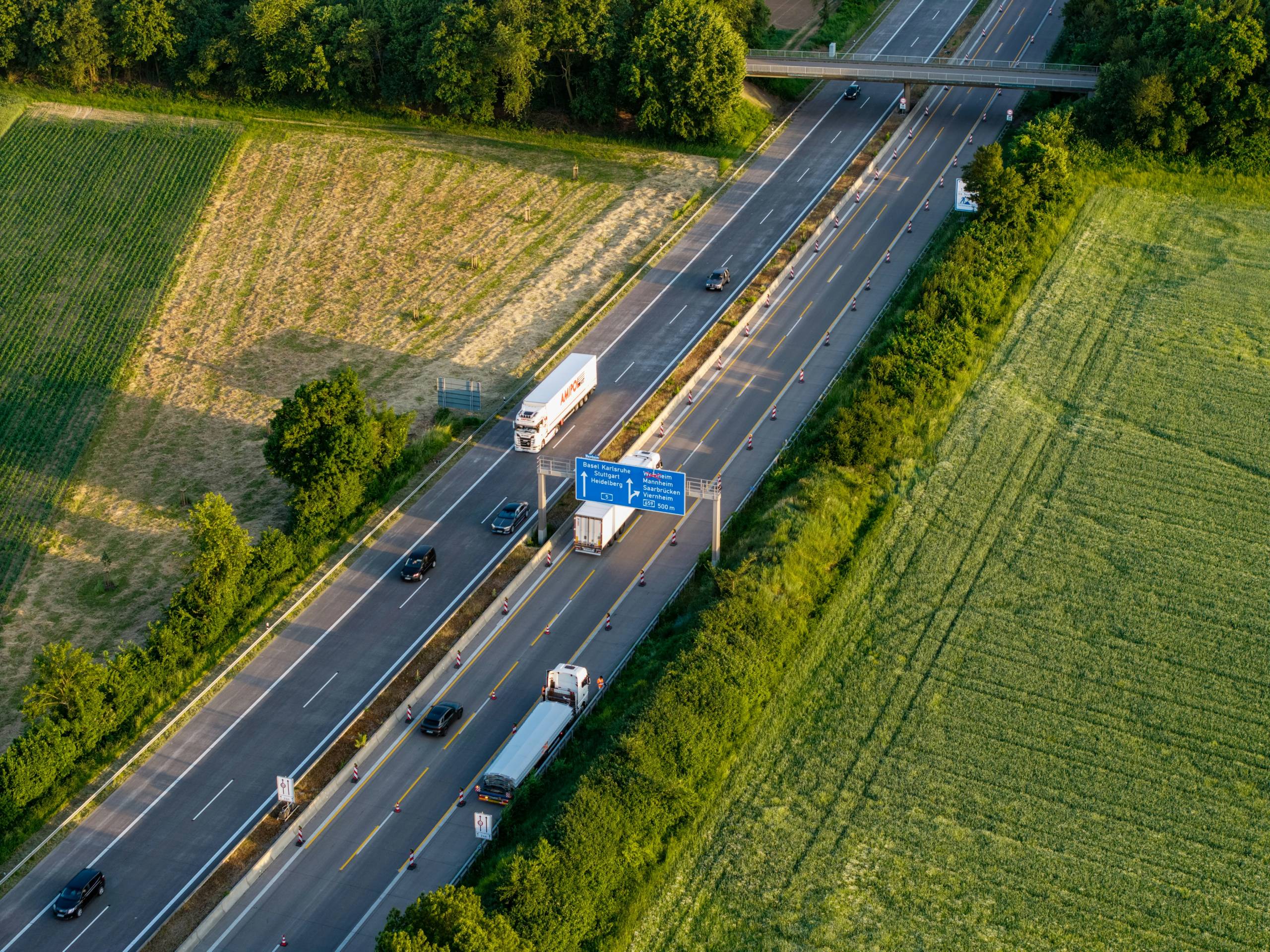
COVID emptied forecourts and sent wholesale fuel prices into freefall before the recovery drove them back up sharply. The Russia-Ukraine conflict triggered one of the fastest fuel price rises in recent memory. Ongoing geopolitical tension in the Middle East pushed prices up again. And then the most recent round of market disruption.
Four significant fuel price spikes in five years. Each time, the businesses that took the full hit were the ones with no protection in place.
The pattern is not going away
Fuel price volatility is not new. What has changed is the frequency. The gap between major market shocks has narrowed, and the assumption that prices will settle back to a stable baseline has become harder to defend.
For businesses in haulage, logistics, construction, waste management and manufacturing, that frequency matters more than the size of any individual spike. A business that absorbs one large hit can often recover. A business absorbing repeated hits across multiple years, with no mechanism to manage the exposure, finds the cumulative effect on its margin harder to offset.
| Volatility is no longer the exception. The businesses that managed the last five years well were not the ones that got lucky with timing. They were the ones that understood their exposure before prices moved. |
What preparedness actually means
Preparedness is not about predicting where fuel prices go next. No one can do that reliably. It is about understanding how much of your cost base is exposed to price movements you cannot control, and deciding how much of that exposure you want to carry.
Most fuel-intensive businesses have never put a number on that. They know their fuel spend broadly. They know their price per litre. What they do not have is a clear picture of how much margin would be at risk if prices moved ten, fifteen or twenty per cent from where they are today. That calculation is not complicated. Most businesses simply have never made it.
How to fix your fuel price without changing how you buy
The most common misconception about fuel price protection is that it requires switching supplier or changing purchasing arrangements. For most businesses, that is not the case.
A fixed price can be agreed on a portion of your fuel volume alongside your existing contracts. Same supplier, same delivery process, same fuel cards. If the market moves above the fixed price during the agreed period, the difference comes back to you. If prices fall, you continue buying at the lower market price as normal.
The mechanism is straightforward. The question is whether it makes commercial sense for your business, given your contract structure, your surcharge arrangements and your current fuel volume.
The next spike is a question of when, not if
No one can say when the next significant fuel price movement arrives. The pattern of the last five years makes clear that it will. The businesses that come through it best will be the ones that understand their exposure now, while there is time to act.
The Fuel Cost Protection Scorecard takes eight questions and two minutes. It gives you a clear read on how exposed your margin is, where the biggest risks sit, and what businesses in your position are doing about it. There is no cost and no obligation. Just a number you can work with before the next spike makes the question urgent.
| Check how ready your business is for the next fuel price spike. Free, 2-minute scorecard. |
