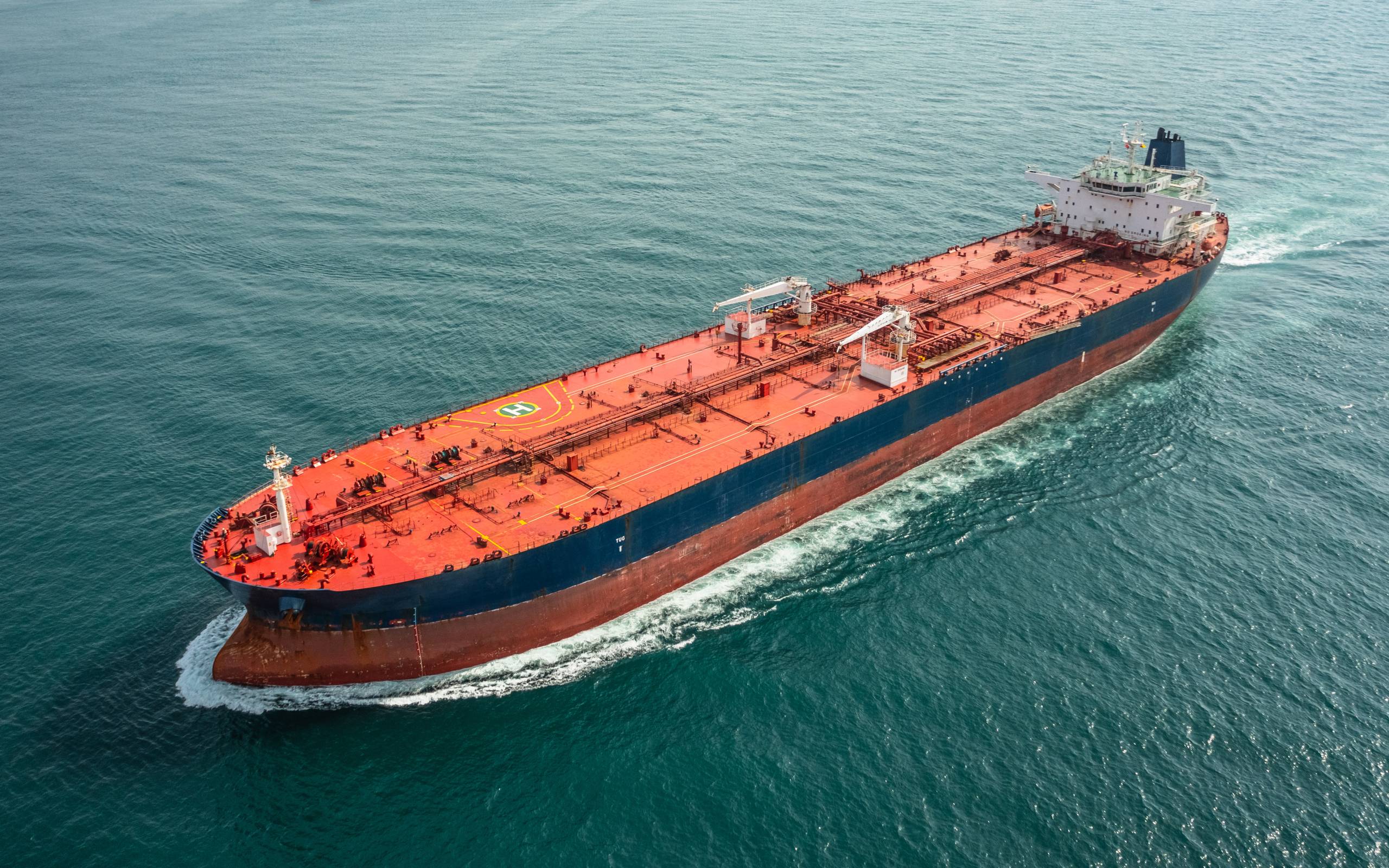
The conflict in the Middle East has created disruption around the Strait of Hormuz (the world’s most critical oil transit route), sending fuel, fertiliser, and metals prices surging simultaneously. According to the IEA’s March 2026 Oil Market Report, this is the largest supply disruption in the history of the global oil market.
What makes this particularly challenging for SMEs isn’t just the scale of the oil price move, it’s that most businesses in haulage, farming, and construction are exposed to at least two of these commodities and often all three. The impact isn’t landing on one line of the P&L, but landing across the whole business.
If you’re unsure where your business is exposed, the Attara Explore Zone is designed to help you map that exposure and understand your options before making decisions.
What does a 26% cost increase actually look like?
According to Attara’s internal data, SMEs that had not hedged their commodity exposure before the conflict began have seen energy costs rise by at least 26% in the weeks since. This figure reflects the difference between current costs and what could have been secured earlier. With market volatility set to continue, even a 2% price increase can create further margin pressure.
To put this into context: UK SMEs spend an estimated £2–2.5 billion per year on transport fuels alone, and diesel at the pump has risen roughly 18–20p per litre since 28 February. If recent price moves are sustained, Attara estimates that the additional annual cost burden across the commodities sector could reach approximately £1 billion. For a haulier running a fleet of 20 HGVs, each consuming around 35,000 litres per year, this could amount to £140,000 in additional fuel costs annually.
However, fuel is only part of the picture, and pricing across various commodities is often interconnected. As a result, agriculture, construction and manufacturing businesses all feel the same squeeze, but from different angles.
Since the Strait of Hormuz plays such a critical role in the global energy supply chain, fertiliser prices have jumped sharply as a result of current disruptions. Red diesel has also spiked more than 20p per litre in a single week in some parts of the UK. For metals like copper, steel, and aluminium, which were already elevated before the conflict, US tariffs have added further pressure to global supply and demand flows.
For businesses exposed to multiple commodities, costs are compounding day-on-day. A farm facing higher fertiliser and fuel prices at the same time isn’t dealing with two separate problems; they’re interlinked.
Why are agriculture and logistics businesses reacting the fastest?
Attara has seen a 300% increase in SMEs actively considering hedging this month, with the strongest response coming from agriculture and logistics. These are the two sectors with the least pricing power as they cannot easily pass cost increases on to customers. They also face the highest exposure to fuel and fertiliser as a share of total operating spend.
The AHDB has warned that UK agriculture faces simultaneous cost inflation, cash pressure, and limited ability to pass costs through to consumers. UK farm input costs have already risen 44% since December 2019. Another sharp move in fertiliser and red diesel costs, on top of a poor harvest and falling farm confidence, compounds pressure that many businesses have been managing for years.
For logistics businesses, fuel typically accounts for 30-40% of total operating costs. There are limited alternative cost levers available.
What separates the businesses that are managing this from those that aren’t?
Businesses that put hedging structures in place have been securing lower rates across fuel, fertiliser, and metals. They’re not immune to current volatility, but they’re better positioned to manage its worst effects. They don’t need to make urgent decisions in a rising market because they’ve already made them.
SMEs who are considering hedging now aren’t wrong to act given that continued volatility is inevitable, but they have already incurred costs that could have been avoided. To put it into perspective, the ones who implemented a hedging strategy six months ago are watching the same headlines, but from a much more comfortable position.
It’s worth being clear about what hedging actually means. A forward contract (an agreement to buy a commodity at a fixed price on a future date), simply turns an unpredictable cost into a known one. It doesn’t require predicting where prices will go. The goal is certainty, not gain. For SMEs trying to price jobs, plan cash flow, or commit to contracts, that certainty has a practical value that goes well beyond any single commodity.
The Attara Explore Zone can help you model what that looks like for your specific business, whether your exposure is to fuel, fertiliser, metals, or a combination of all three.
Volatility is the new normal
The question isn’t whether prices will move again. It’s whether you’ll be ready when they do.
Volatility is likely to remain a feature of commodity markets.
For businesses exposed to fuel, fertiliser, or metals, the focus is increasingly shifting from reacting to prices, to understanding and managing exposure. Modelling how market movements could affect your costs allows you to explore different approaches before making decisions.
To understand how current market movements could affect your business, speak to a specialist or visit the Attara Explore Zone.
The sooner you act, the more options you have.
This blog is intended for general information purposes only and does not constitute financial advice. Commodity markets are subject to rapid change. Businesses should seek independent advice before making hedging decisions.