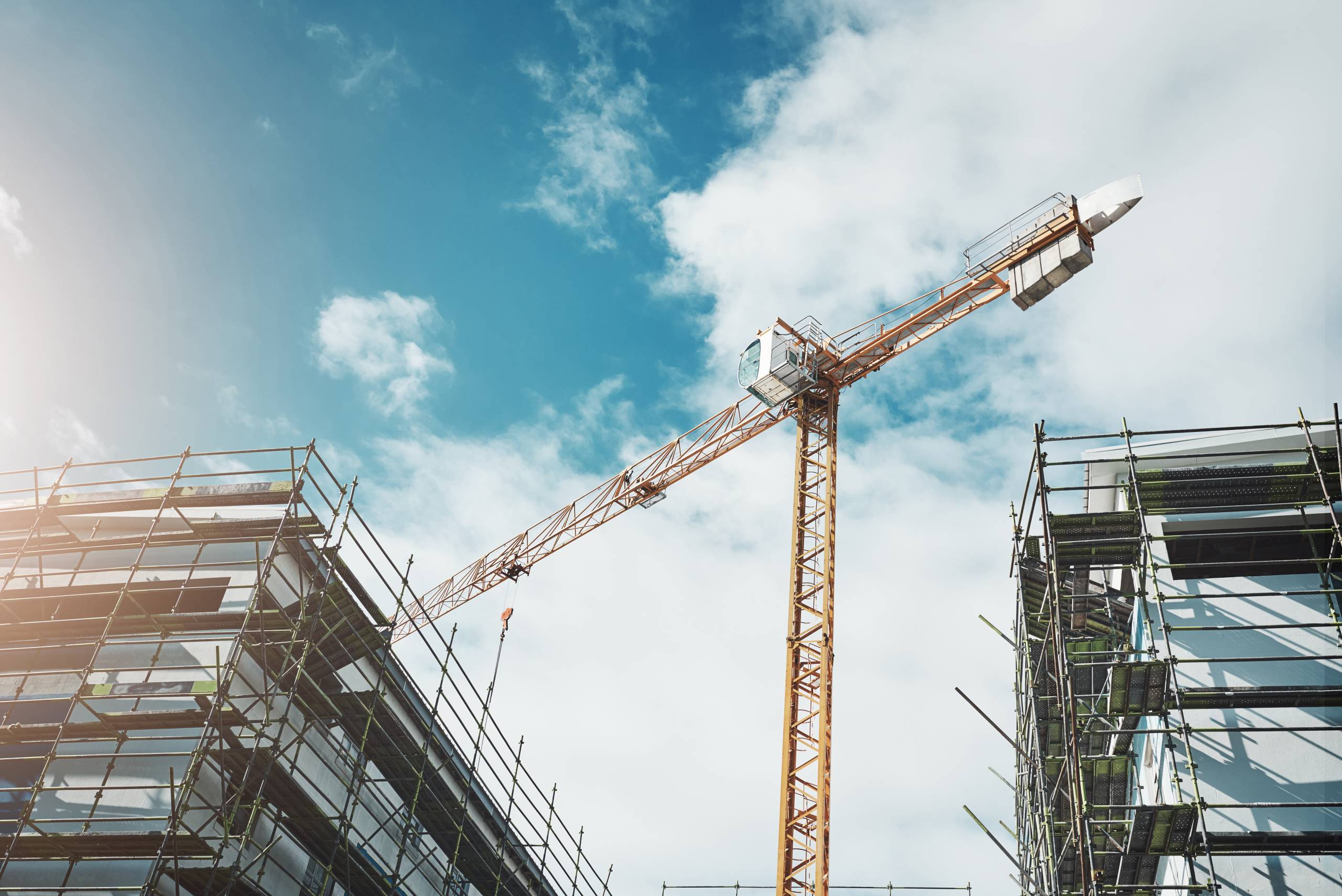
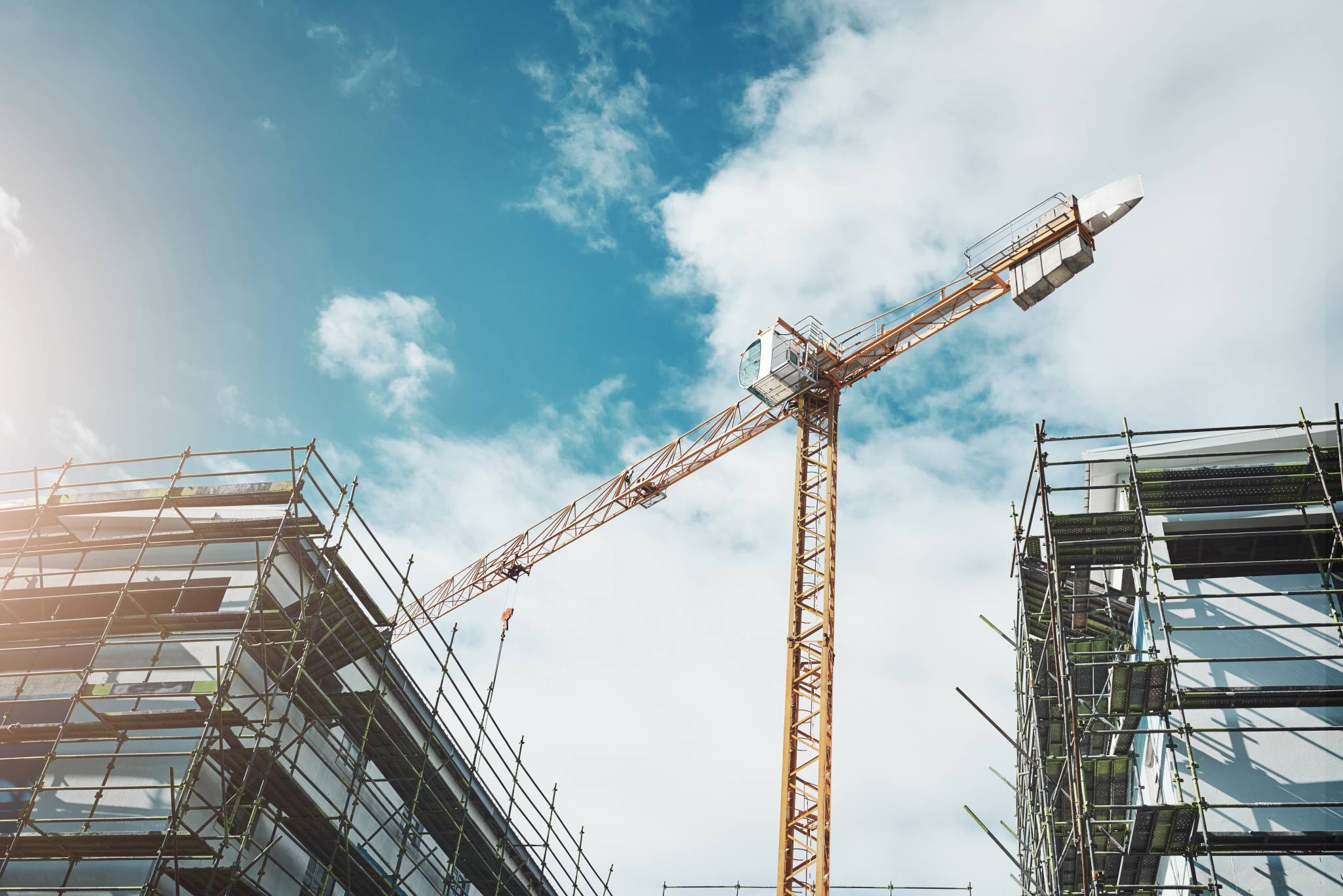
The UK construction sector is currently navigating two huge changing forces: persistent commodity price volatility and the wider transition toward sustainable “green metals.” Both directly threaten profit margins and project timelines, particularly for essential materials like copper and steel. For construction firms across the UK, mastering material cost risk is the key to securing success in 2026 and beyond.
Why is UK construction so vulnerable to Copper and Steel price volatility right now?
A combination of macroeconomic pressures and global demand shifts has made material prices extremely unpredictable.
Macro Headwinds
Although the Bank of England’s Base Rate has eased (falling to 4% in August 2025), high borrowing costs have kept a lid on project financing and private sector demand in segments like commercial and private housing. This creates an environment where unexpected spikes in material costs can quickly turn a tightly-bid project into a loss.
The Global Copper Surge
Copper is essential for the UK’s green transition, used heavily in infrastructure, electrification, and data centres. Analysts have a bullish outlook for copper in 2026, with prices nearing $12,000 per metric ton due to a persistent supply deficit and renewed global economic activity.
The Fixed-Price Trap
For many contractors operating on fixed-price contracts, a rise in the price of structural steel or copper cabling between the contract bid and procurement can completely wipe out profit margins.
What exactly are “green metals,” and how are they changing the supply chain for UK construction?
Green metals are materials that are either vital for the global energy transition or are produced with a significantly lower carbon footprint than traditional methods. Their growing importance means the cost of materials is increasingly tied to their embodied carbon.
Copper: The Green Wiring
- Copper is the most critical metal for electrification, which is the backbone of the net-zero economy.
- Its demand is driven by a huge investment in the UK’s energy and water infrastructure (forecasted to grow by 4.4% in 2026), including wind farms, grid expansion, and new data centres.
- The sheer quantity of copper needed for these projects means any global price volatility is immediately felt across UK infrastructure projects.
Steel: Decarbonising the Build
- The UK has legislated a Net Zero Target by 2050, requiring a whole-life approach to construction that accounts for embodied carbon.
- Green steel is produced using low-carbon methods, like green hydrogen or heavy use of recycled scrap in Electric Arc Furnaces (EAFs), to drastically cut CO₂ emissions.
- Future Cost Premium: Decarbonisation is capital intensive, and the production of low-carbon steel is expected to incur a cost premium of around 30%, which will be passed on to buyers.
- As government policy develops to measure and report the embodied carbon of industrial products from the mid-2020s onwards, demand for this premium, low-carbon steel will grow, further complicating cost forecasting.
How can UK construction firms use hedging to secure their budgets and compete for green projects?
Hedging, or using financial instruments to lock in a future price, is the simplest way to gain control over material costs and eliminate a significant portion of project risk.
- De-Risking Project Bids: By locking in the price of the steel and copper required for a project before the ground is even broken, firms can eliminate budget guesswork. This protection is vital for infrastructure and industrial projects which are leading the modest output growth forecast for 2026.
- Margin Protection: Hedging transforms the high-risk factor of material cost volatility into a known, predictable cost. This is critical for protecting the tight profit margins that have been squeezed by elevated input costs and the rising expense of labour and compliance.
- Strategic Advantage in Green Procurement: As the market shifts towards premium green materials, the ability to secure a predictable price for both conventional and low-carbon steel is a competitive advantage. It allows firms to focus on project delivery and quality rather than daily market monitoring.
In an environment where construction output is set for modest growth in 2026, led by infrastructure and industrial sectors, cost certainty is non-negotiable.
Attara provides the financial tools to simplify this complex process, giving construction businesses the budget security needed to thrive in a volatile, net-zero-focused UK market.
Ready to secure your project margins against global market volatility?
Explore today or speak to a specialist.